Buff Orpington
Also known as: Orpington
One of the most popular backyard breeds and a favorite for families and first-time keepers: a big, calm, golden dual-purpose hen that is affectionate enough to be a genuine pet. Buff Orpingtons are very cold-hardy and lay a steady 180-240 brown eggs a year, but they go broody often and their heavy feathering leaves them prone to overheating in hot climates.
Figures verified against 3 sources. Ranges reflect variation by strain and individual bird.
At a glance
- Eggs / year
- 180–240
- Egg size
- large
- Purpose
- dual-purpose
- Class
- Large fowl
- Hen weight
- 7–8 lb
- Rooster weight
- 8.5–10 lb
- Starts laying
- 20–24 weeks
- Lifespan
- 8–10 years
- Comb
- single
- Noise
- quiet
- Origin
- England (1886)
- Conservation
- APA recognized
Egg color: Brown
Temperament & suitability
Appearance
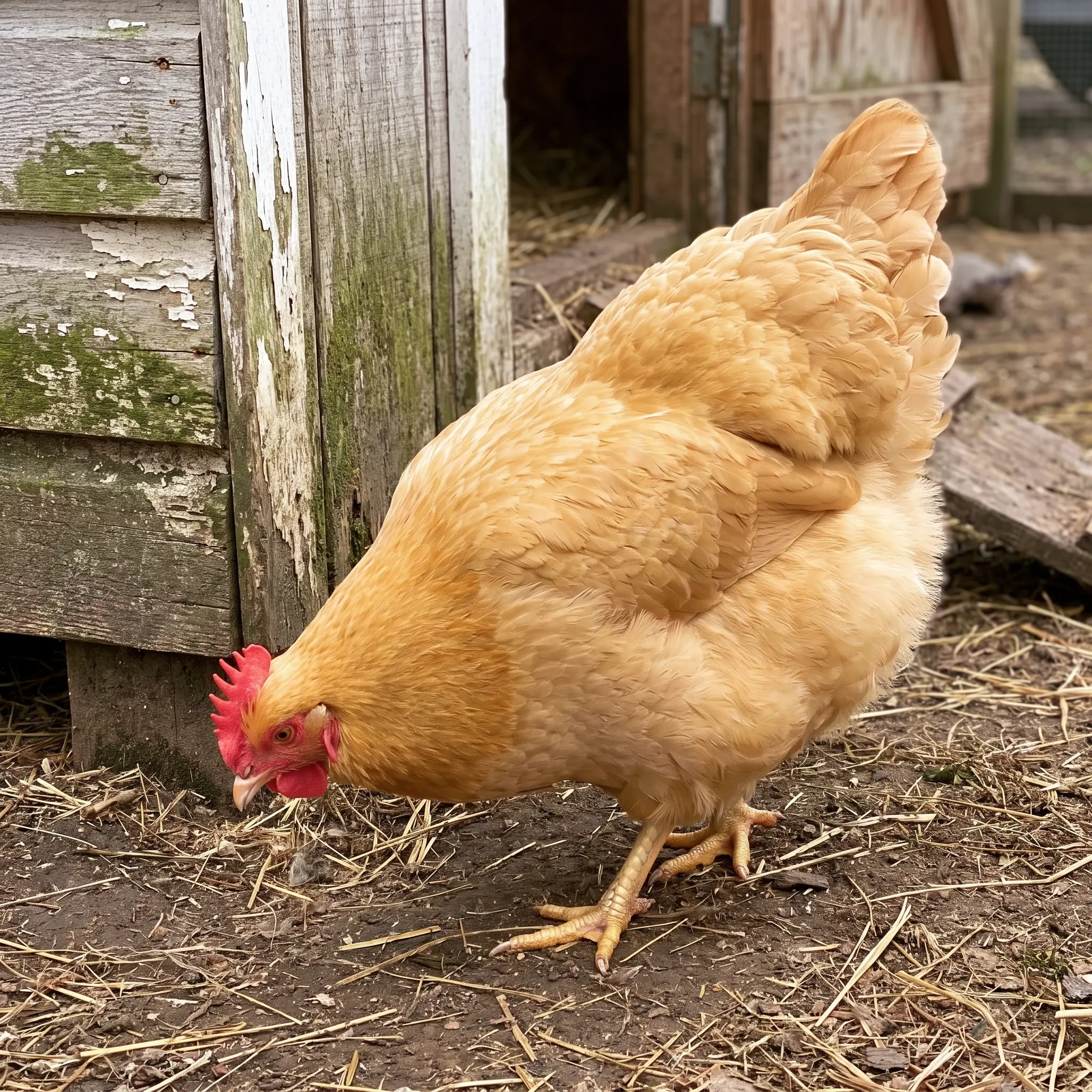
Large, deep-bodied bird with soft, profuse golden-buff plumage. Original color of the Orpington.
Varieties
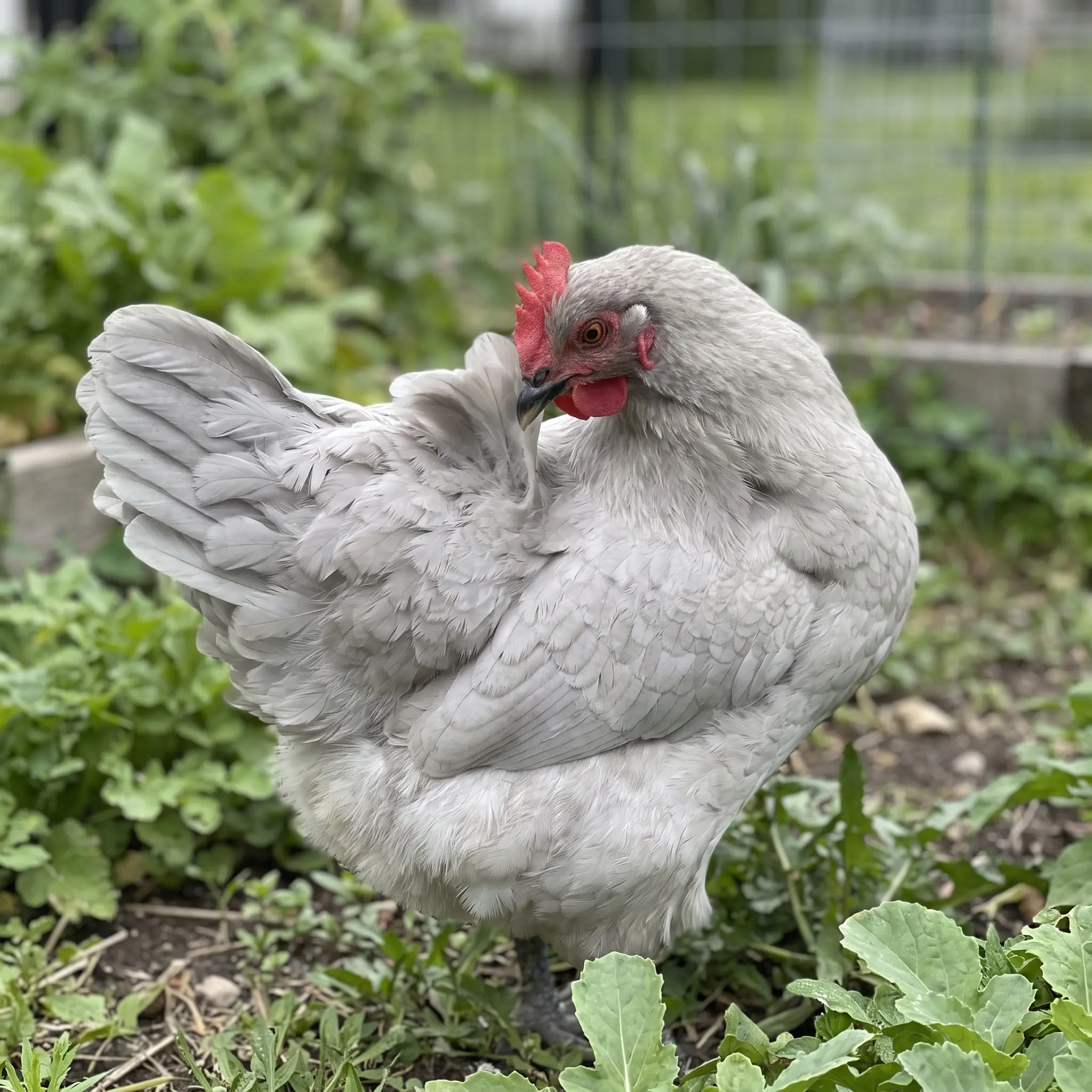
This page covers the Buff, the original and most popular Orpington. The APA also recognizes Black, White, and Blue. The lavender (self-blue) color sold widely today is not APA-recognized; see Lavender Orpington.
Pros and cons
Pros
- Calm, affectionate, great beginner and family bird
- Very cold hardy
- Reliable brown-egg layer
Cons
- Heat sensitive
- Broodiness interrupts laying
- Heavy feathering can hide mites
Common questions
How many eggs do Buff Orpingtons lay?
About 180-240 large brown eggs per year.
When do Orpingtons start laying?
Typically 20-24 weeks (5-6 months).
When will your Buff Orpington start laying?
Just got chicks? Enter their hatch date and we’ll estimate the first-egg window for a Buff Orpington, based on its point of lay of 20–24 weeks. Hens rarely read the calendar, so treat it as a range.
Similar breeds
Sources
Verified 2026-07-06. Weights (hen ~6-8 lb, rooster ~8.5-10 lb), brown egg color and large fowl class confirmed by both sources. Conservation: the Livestock Conservancy graduated the Orpington off its priority list in 2016, so it has no active status (set to null). Eggs/yr rests mainly on Wikipedia's ~180 figure for standard-bred birds; productive/hatchery buff strains lay toward the upper end. Point-of-lay (20-24 wks) is a dual-purpose breed-type estimate.